How to Choose the Right Executive Car Service in Barcelona
Choosing an executive car service in Barcelona is less about finding a vehicle and more about matching the service to the way the day needs to run. A airport arrival after a long flight, a full schedule of meetings, a conference transfer, and an evening event all place different demands on timing, comfort, and communication. The right choice should feel quiet, organised, and predictable, with no last minute surprises.
Start by being clear about what the service has to do. A simple point-to-point transfer between a hotel and a meeting is easier to plan than a full day with several stops. If the schedule includes airport transfers, a client dinner, and a short window between appointments, the provider needs to understand the route, the timing, and the level of flexibility required. Write down the dates, pick-up points, destinations, number of passengers, luggage, and any fixed times that cannot move. That outline becomes the basis for every later decision.
Define the standard you expect
Executive travel usually means more than transport from A to B. It often involves a professional chauffeur, a calm vehicle, discreet conduct, and a service that respects the schedule. Think about what matters most for the trip. Some journeys benefit from a driver who waits nearby between meetings. Others need a precise arrival time and nothing else. If passengers are travelling for corporate travel, punctuality and a presentable arrival may carry more weight than extra features inside the car.
Set your priorities before comparing options. A person travelling alone with a briefcase may value a quiet car and a direct route. A small group attending event transportation may need enough space for luggage, clothing, or materials. A family combining business with sightseeing may want room for children and bags. The more specific the brief, the easier it is to avoid paying for features that add nothing while missing something essential.
Match the vehicle to the journey
Look at the vehicle choice with practical eyes. A luxury fleet can include different vehicle sizes and styles, and the best option depends on the journey rather than the label. A sedan may suit a single executive or a pair heading to a meeting. A larger vehicle may be better for luggage, airport arrivals, or a group travelling together. If a client will be seated in the back, check that the cabin has enough space to sit comfortably without feeling cramped.

Bags are a common source of problems. A car that looks fine for four passengers may not hold four suitcases. Describe luggage clearly when asking about a vehicle, especially for airport transfers. Also consider the route and streets in the city centre. A smaller vehicle can be easier around narrow streets, while a larger one may be more comfortable on longer routes. If the day includes several stops, confirm whether waiting time and parking are handled as part of the booking.
When comparing providers, it can help to keep a short note of the options you review. For example, a page such as chauffeurhirebarcelona.com can be one reference point while you compare the shape of the service with your own travel brief. Focus on the fit, not on impressive wording. The right vehicle should make the day easier, not become the main topic of conversation.
Check the chauffeur side of the service
A good driver makes a real difference. A professional chauffeur should understand the route, arrive prepared, dress appropriately, and keep the passenger's time and privacy in mind. Ask how the service handles pick-ups, especially at airports, hotels, business parks, or busy streets. Clear instructions matter. The driver needs to know where to wait, how to identify the passenger, and what to do if plans shift.
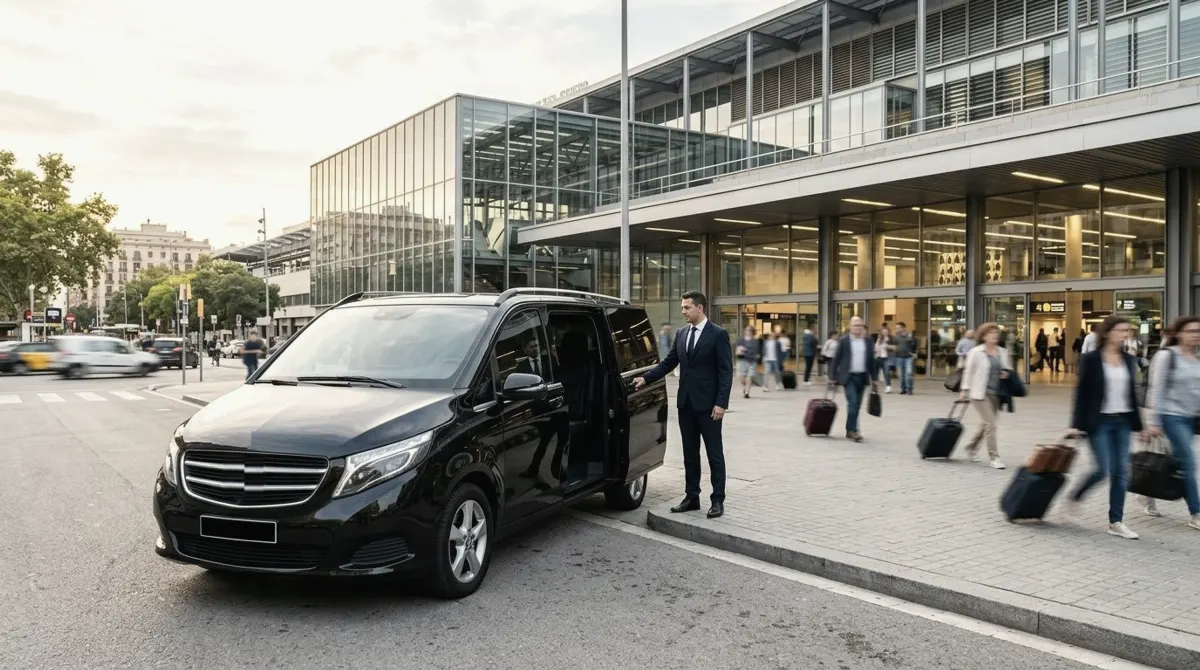
Meet and greet arrangements are useful when a visitor is arriving in a new city or coming straight from a flight. The key is to arrange the details in advance: the meeting point, the name to display, and what happens if the flight or train is delayed. For business travel, the driver should be brief enough to keep things moving and flexible enough to respond when a meeting runs late. If the schedule includes several passengers, make sure the driver knows who is being collected and whether any stops are fixed.
Discretion is another point to consider. Some conversations in cars are private. If the journey involves confidential discussions, a professional approach from the driver is part of the service standard. That means no unnecessary interruptions, no sharing details of the itinerary, and no comments about passengers or destinations.
Compare how bookings are handled
The booking process reveals a lot about how a service is run. A clear enquiry should ask for the date, pick-up location, destination, time, passenger count, luggage, flight or train details where relevant, and any waiting or multiple stops. If these details are not requested, there is a chance that something will be assumed later. A service that asks focused questions is usually trying to prevent avoidable problems.
Read the booking terms before committing. Check what happens if a flight is delayed, a meeting ends early, or the route changes. Ask how changes are made and what information is needed for a smooth pick-up. Confirm whether the quoted arrangement covers a single transfer, hourly hire, or a full itinerary. These details help you judge whether the service can handle the actual day rather than just the first pick-up.
Confirmation is worth attention. A reliable arrangement should set out the main facts in writing: date, time, vehicle type, pick-up point, destination, passenger name, and any special instructions. Keep that record close to hand on the day. If the trip involves several colleagues, share the relevant details with them in advance so nobody is standing in the wrong place.
Look beyond the vehicle
Executive transport is built on small details. Door-to-door timing, a clean cabin, a driver who knows when to speak and when to stay quiet, and a clear plan for delays all matter. Ask how the service manages traffic and route choices. In a city, the fastest route on paper may not be the best route at a given hour. A driver with local awareness can adjust without turning the journey into a negotiation.
Consider the tone of the communication. A service that answers plainly and confirms details without pressure is easier to work with than one that relies on vague promises. If a provider cannot explain the arrangement clearly before the booking, that uncertainty may carry into the day itself. The aim is to remove decisions from the travel day, not add new ones.
Some trips need a higher level of planning than others. An airport arrival followed by a board meeting leaves little room for error. A late evening collection after an event may need a clear waiting arrangement. A full day of site visits may need a vehicle that can adjust between short stops. Match the level of structure to the stakes of the schedule.
Judge value, not just appearance
Price is part of the decision, but it should not sit alone. A cheaper option that cannot handle luggage, waiting, or schedule changes may cost more in stress and lost time. A higher standard is easier to justify when the journey supports an important meeting or a visitor who represents a new opportunity. Compare what is included, how the service responds to changes, and whether the arrangement reflects the full day.
Be cautious with vague descriptions. Words like premium, executive, or luxury are common, but they only help when linked to clear details. Ask what the passenger can expect in practical terms. What size is the vehicle? How many bags fit? Is waiting included? What happens if the arrival time changes? These questions produce answers that can be compared.
Also think about consistency. For recurring corporate travel, the same standards should apply each time. A service that handles the first transfer well but struggles with later changes may not suit a packed itinerary. Where possible, build a repeatable brief with the same pick-up instructions, passenger details, and timing preferences. That makes future bookings faster and reduces the chance of small errors.

Make the final choice with a clear brief
Before choosing, return to the original outline. Does the service match the number of passengers, luggage, timing, and level of formality? Can it handle the airport transfer, the meeting schedule, or the event collection without awkward gaps? Has every important detail been confirmed in writing? If the answers are clear, the decision is much easier.
When comparing shortlisted options, look for a calm and competent fit. A strong executive car service should make the journey feel organised from the first enquiry to the final drop-off. That means the right vehicle, a professional chauffeur, clear communication, and a plan for the details that often change. If one option keeps those pieces simple and understandable, it is likely to serve the schedule better than one that only looks impressive on the surface.
A final check the day before can prevent most avoidable issues. Confirm the pick-up point, time, passenger name, flight or train details, destination, and contact instructions. If plans shift, send the update as soon as possible. The best travel days rarely feel dramatic. They work because the transport has been chosen around the real itinerary, with enough care to let passengers focus on the reason they are travelling.